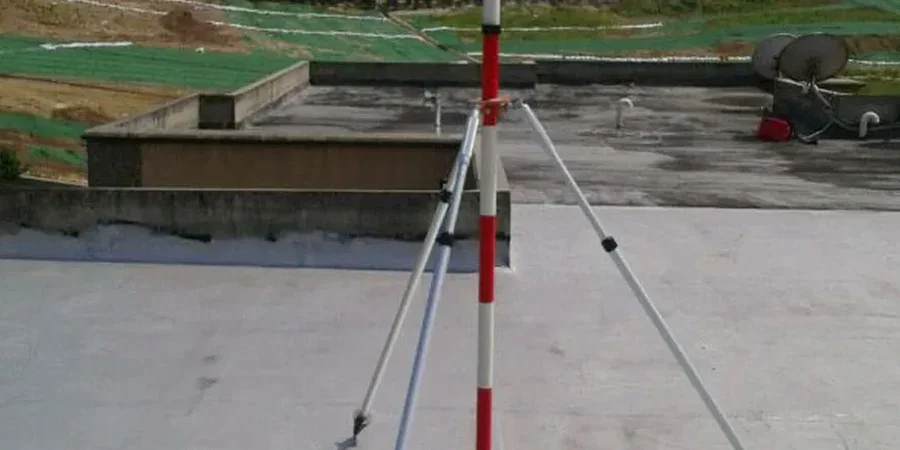
Between the alluvial fans of Rincon Valley and the historic downtown grid, Santa Rosa’s soil profile shifts dramatically in less than a mile. A cut on Fourth Street might hit stiff Pleistocene gravels while a dig two blocks east hits saturated sand lenses that bleed water the moment you open the face. That kind of variability makes geotechnical excavation monitoring non-negotiable. We set up inclinometer casings, piezometer strings, and surface settlement points before the first bucket goes in, then feed daily readings back to the contractor. When groundwater levels in the Santa Rosa Plain tick upward after a winter storm, our data tells you whether the shoring is still comfortable or whether the safety factor is shrinking. For deeper excavations near the SMART train corridor, we often recommend pairing our monitoring program with a deep excavation design review to confirm that the support system assumptions match the actual ground behavior.
In Santa Rosa, the difference between a routine dig and a problem dig is often just a few feet of groundwater fluctuation.
Site-specific factors
Santa Rosa’s post-1906 rebuilding cycle pushed the downtown footprint outward over what were once seasonal creeks and marshy lowlands—areas that today host strip malls, medical offices, and apartment complexes. Excavating next to structures built on those old creek-bed fills introduces a risk that standard soil reports often miss: progressive raveling at the interface between fill and natural alluvium. When shoring doesn't penetrate deep enough to cut off that contact zone, fine material can pipe out over days or weeks, opening voids behind the wall that surface survey points won't catch until a sinkhole appears. Our geotechnical excavation monitoring protocol includes periodic downhole inspection and real-time piezometer thresholds calibrated to the specific fill-natural boundary depth, so the first sign of trouble comes from a sensor alert, not a pavement collapse.
Questions and answers
What does geotechnical excavation monitoring cost for a typical Santa Rosa commercial project?
For a mid-sized commercial excavation—think a two-level underground parking structure or a multi-story mixed-use building—monitoring programs in Santa Rosa generally run between US$720 and US$2,750 depending on duration, number of instrument stations, and whether you need automated versus manual reading intervals.
How often do you collect readings during active digging?
During active excavation we typically log inclinometer and piezometer data daily. If conditions warrant—loose saturated soils, adjacent historic buildings, or deep cuts near active roadways—we can move to automated hourly sampling with cloud-based access so the project engineer can check trends from the office without waiting for a field report.
At what point do you recommend installing monitoring instruments relative to the excavation start?
Baseline surveys and instrument installation should happen before the first lift is removed. We need at least one full set of pre-excavation readings to establish a zero-reference; without that, it's difficult to distinguish between instrument drift and actual ground movement once the cut is underway.
Can you provide monitoring that satisfies Santa Rosa building department and OSHA requirements simultaneously?
Yes. Our monitoring plans reference IBC Chapter 33 deformation criteria and OSHA 1926 Subpart P requirements for daily competent-person inspections. We format reports so the same dataset supports both the city's permit documentation and the contractor's safety compliance record.